
How to Improve Warehouse Performance, Compliance, and Operational Efficiency
CPG supply chains are under pressure to do more with less.
From rising customer expectations to increasing compliance requirements, many organizations struggle to keep operations aligned and performing at their best.
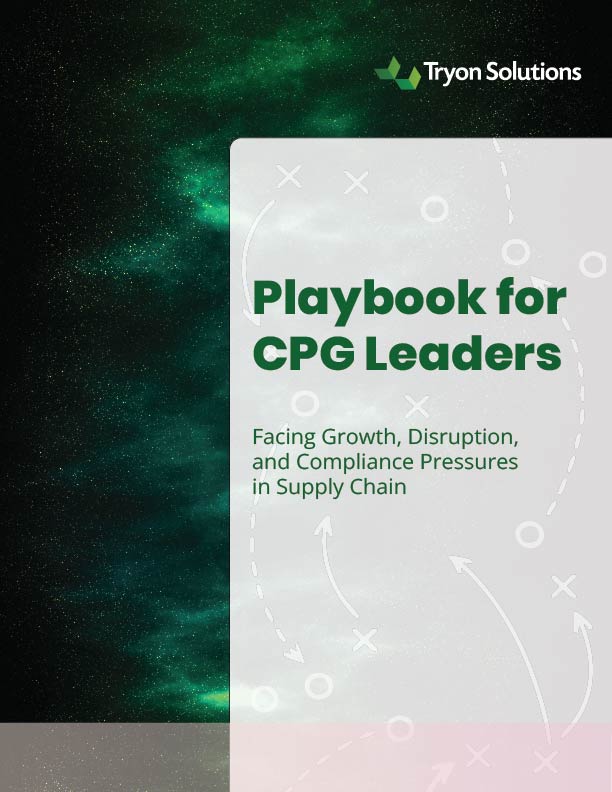
This CPG supply chain strategy playbook outlines how to move from reactive operations to a more aligned, high-performing supply chain.
What Is a CPG Supply Chain Strategy?
A CPG supply chain strategy is the approach organizations use to align business goals, warehouse operations, and technology systems to deliver consistent performance.
It focuses on:
- Connecting strategy to execution
- Improving warehouse efficiency
- Strengthening compliance and traceability
- Maximizing WMS performance
- Reducing operational risk
Why Is a CPG Supply Chain Strategy Important?
A strong CPG supply chain strategy helps organizations:
- Improve warehouse performance and throughput
- Reduce manual workarounds and inefficiencies
- Maintain compliance with evolving regulations
- Increase visibility across operations
- Prevent disruptions and service failures
Without alignment, even well-implemented systems can fall short.
What Challenges Does This Playbook Address?
This playbook focuses on common CPG supply chain challenges, including:
- Disconnected systems and processes
- Limited real-time visibility
- Manual workarounds and reactive decisions
- Increasing compliance requirements (like traceability)
- Performance issues after go-live
These challenges often lead to delays, errors, and increased operational risk.
What Will You Learn in the Playbook?
The CPG supply chain strategy playbook provides practical guidance on:
1. Aligning Strategy to Execution
Ensure your supply chain strategy reflects how operations actually run.
2. Improving Warehouse Performance
Identify and address bottlenecks, inefficiencies, and system gaps.
3. Strengthening Compliance
Build processes that support traceability and regulatory requirements.
4. Maximizing WMS Value
Make sure your WMS supports real operational needs and scales with your business.
5. Driving Continuous Improvement
Move beyond go-live and maintain performance over time.
Who Should Use This CPG Supply Chain Strategy Playbook?
This playbook is designed for:
- Supply Chain Leaders
- Warehouse & Distribution Managers
- IT and WMS Leaders
- CPG Operations Executives
If you are responsible for performance, compliance, or system outcomes, this playbook is for you.
How Can You Improve Your CPG Supply Chain Strategy?
Improving your CPG supply chain strategy starts with alignment:
- Align systems with real workflows
- Use data to drive decisions
- Continuously evaluate performance
- Address gaps early before they impact operations
Sustained performance requires continuous alignment between strategy, systems, and execution.
Download the CPG Supply Chain Strategy Playbook
Get a practical framework to improve performance, reduce risk, and strengthen your supply chain operations. Download Now!
Frequently Asked Questions
What is included in a CPG supply chain strategy playbook?
A CPG supply chain strategy playbook includes guidance on aligning operations, improving warehouse performance, strengthening compliance, and maximizing system value.
How does a CPG supply chain strategy improve warehouse performance?
It identifies inefficiencies, aligns processes with systems, and ensures operations are optimized for throughput and accuracy.
Why is compliance important in CPG supply chains?
Compliance ensures product traceability, safety, and regulatory adherence, reducing risk and protecting customer trust.
What role does WMS play in a CPG supply chain strategy?
A WMS supports execution by managing inventory, workflows, and data visibility. When aligned properly, it improves efficiency and accuracy.
More From This Category

WMS ROI Reality Check Scorecard
Is your WMS actually delivering ROI? Most organizations assume it is.But ROI often slips after...
Visibility Isn’t a Dashboard. It’s Confidence on the Warehouse Floor
What is warehouse visibility? Warehouse visibility is the ability to see accurate, real-time...
Labor Efficiency Checklist: How to Identify Where Warehouse Labor Is Breaking Down
What is a Labor Efficiency Checklist? A Labor Efficiency Checklist is a practical tool used by...

Written By Ashley Feldpausch
Ashley is a marketing professional, specializing in Warehouse Management Systems and leveraging strategic insights to drive growth, innovation, and customer engagement in the supply chain industry. For further information, please email sales@tryonsolutions.com.
